The remediation layer for the era of AI-written exploits.
Furl closes security findings — vulnerabilities, misconfigurations, hygiene gaps, supply chain exposure — across every endpoint. Continuously, and within the guardrails your team defines.
Trusted by security and IT teams at



Investigate every finding, build the fix, confirm it closed.
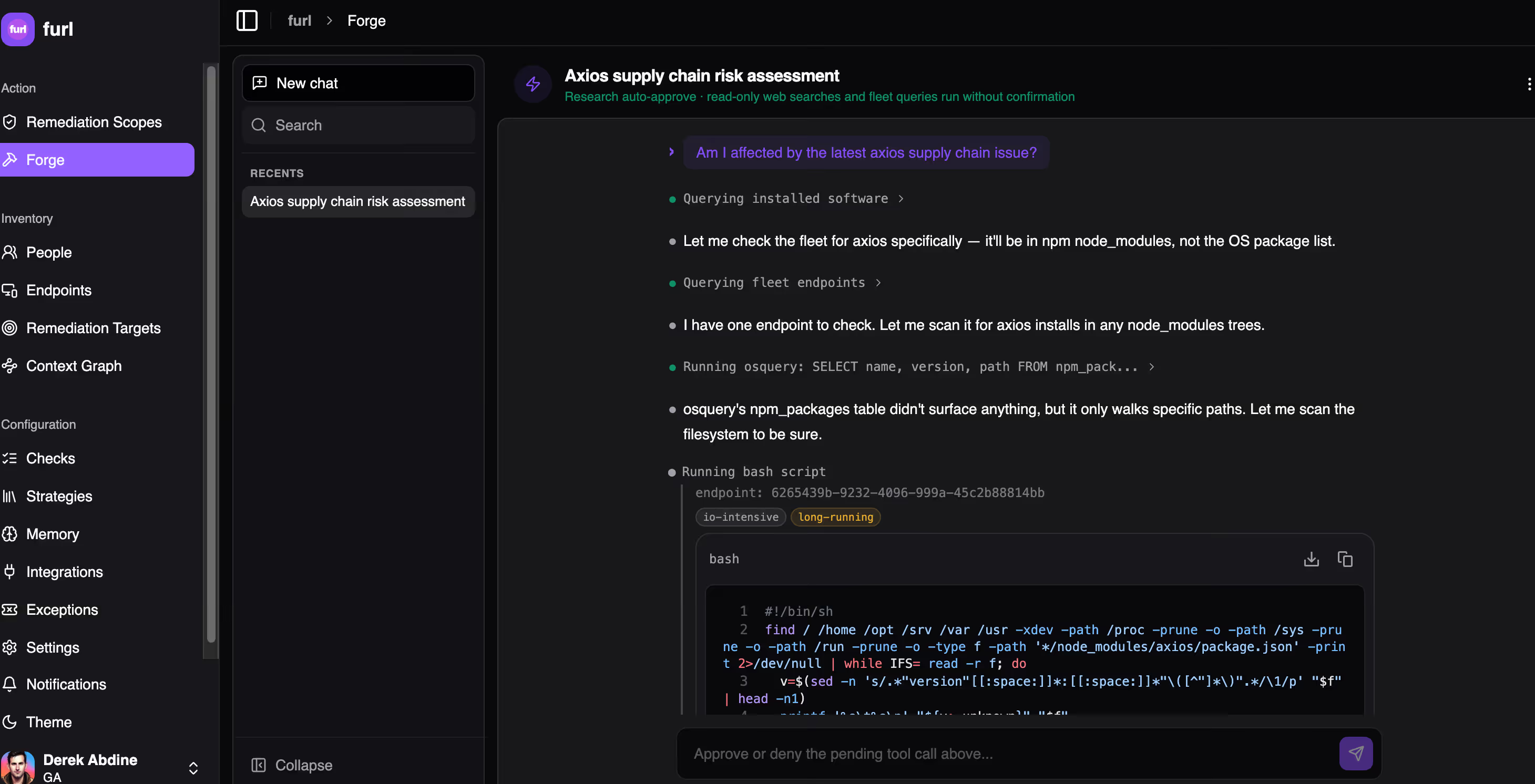
Furl plugs into your existing scanners and patch tools, pulls context from your environment, and generates fixes built for your specific stack — within the guardrails your team defines.

Context
Before Furl touches anything, it maps what's running, who owns it, and what's business-critical — so autonomous execution stays safe.

Execution
Furl generates a fix built for your stack — your software, dependencies, environment. It deploys, validates, and rolls back if anything fails.

Guardrails
You set the confidence threshold and the approval gates. Furl stays inside them. Your team handles exceptions; Furl handles the volume.

Medium length heading
Lorem ipsum dolor sit amet, consectetur adipiscing elit. Suspendisse varius enim in eros elementum tristique. Duis cursus, mi quis viverra ornare, eros dolor interdum nulla.
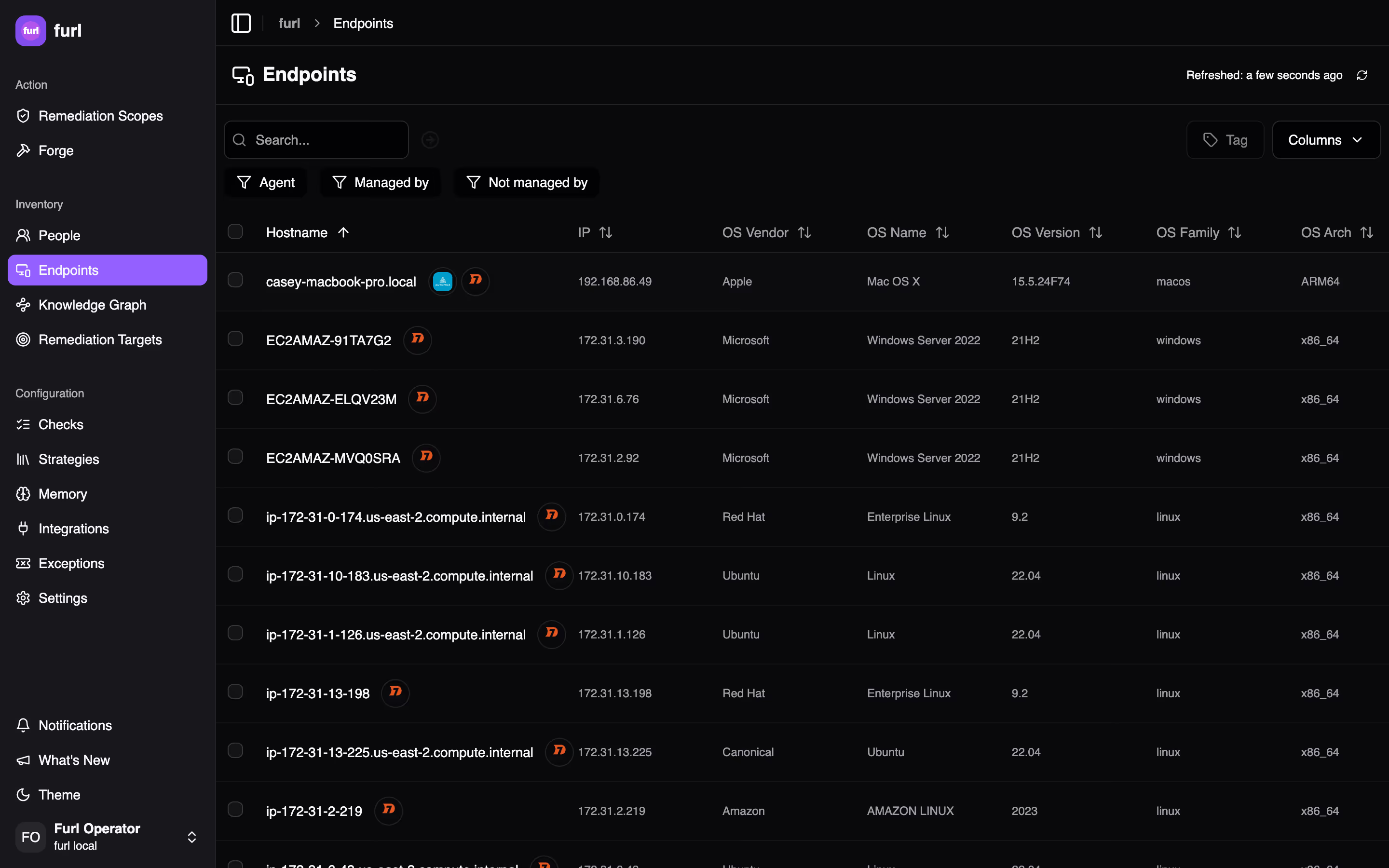
Most of your open risk lives on your endpoints.
Misconfigurations, hardening gaps, legacy software, end-of-life systems — these don't have a patch. They've been sitting in your backlog because no tool was built to close them. Furl is.
Tackle the other 50% of your attack surface
Furl was built for the half of your attack surface that has no patch. It investigates, builds the fix, and closes it. That's it.
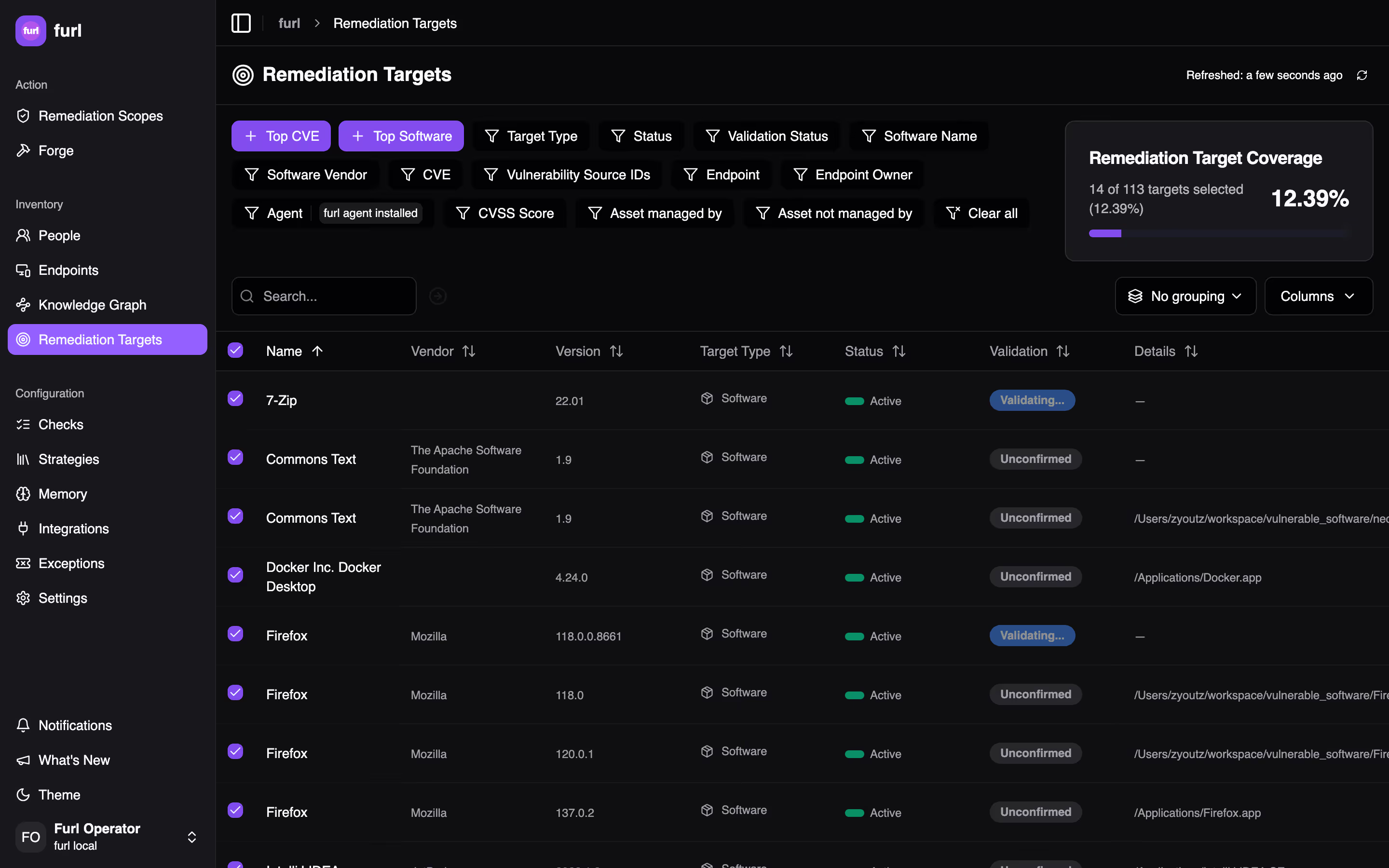
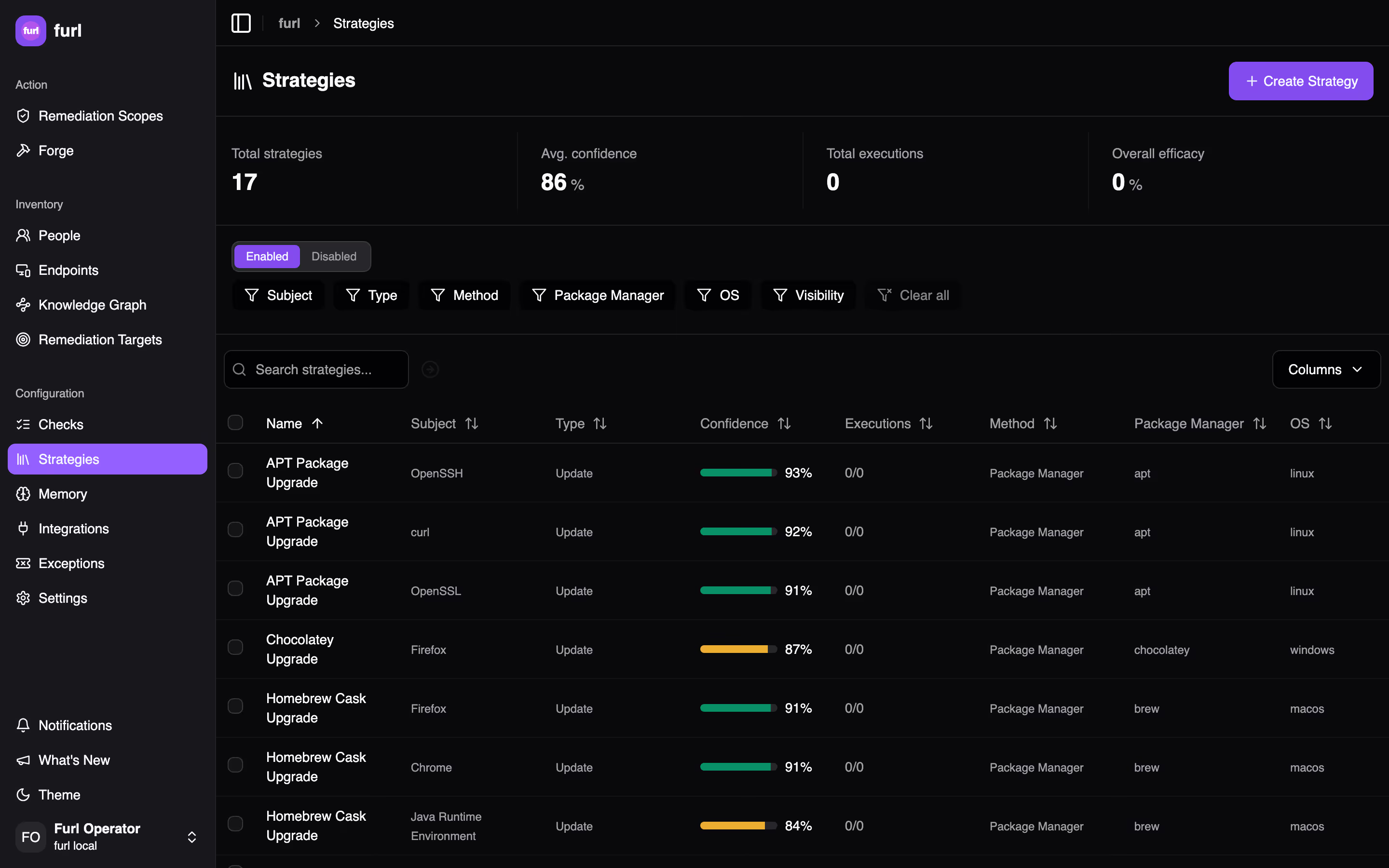
Relief for both finding and fixing risk
You're on the hook for risk you don't control, and the backlog proves it. Furl gives you proof things are actually getting fixed — not just flagged.
No rip-and-replace. Just results.
Furl connects to the scanners you already run — Qualys, Tenable, Rapid7 — picks up every finding they surface, and handles the half that has no vendor fix. Your existing tools stay in place. Your open risk actually closes.